Hydraulic rubber tired gantry crane maintenance costs depend on operating hours, lifting capacity, hydraulic system condition, tire wear, duty cycle, working environment, and maintenance practices. Unlike rail-mounted gantry cranes, hydraulic rubber tired gantry cranes (RTGs) rely on tires and hydraulic systems for lifting, steering, and, in some designs, height adjustment. These components create specific maintenance requirements that directly affect operating expenses.
For industrial buyers, the most important consideration is not simply the cost of individual replacement parts. It is the total cost of ownership, including routine inspections, hydraulic oil and filter replacement, tire maintenance, component repairs, labor, and downtime. Understanding these cost factors before purchasing helps operators select a crane that matches their workload, operating conditions, and long-term maintenance budget.
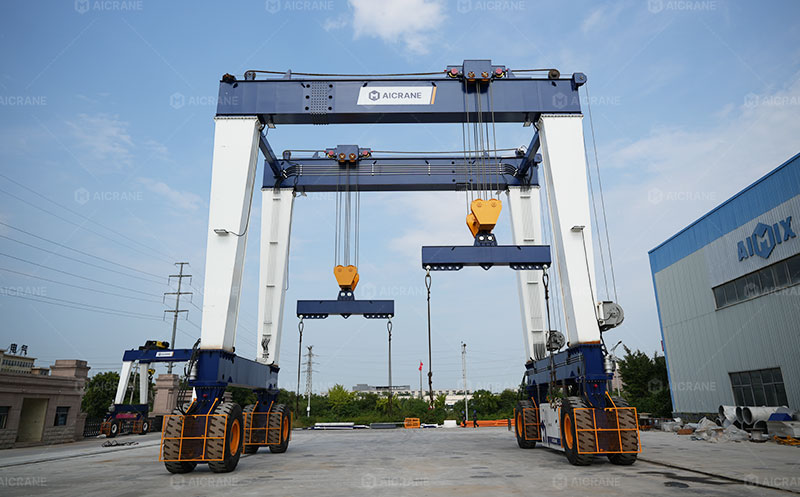
1. What Are the Main Maintenance Cost Components of a Hydraulic Rubber Tired Gantry Crane?
The maintenance cost of a hydraulic rubber tired gantry crane for sale generally comes from six areas: hydraulic system servicing, tire replacement, structural inspection, lifting mechanism maintenance, electrical system maintenance, and labor.
Each component has a different maintenance cycle and cost impact.
Hydraulic System Maintenance
The hydraulic system is one of the most important maintenance areas because it controls lifting and may also support steering, wheel positioning, or height adjustment, depending on the crane design.
Common maintenance tasks include:
-
Checking hydraulic oil level and condition.
-
Replacing hydraulic oil according to the manufacturer’s recommendations.
-
Cleaning or replacing hydraulic filters.
-
Inspecting hydraulic hoses, fittings, and seals for leakage.
-
Checking hydraulic cylinders for wear or damage.
-
Monitoring pump pressure and system performance.
-
Inspecting hydraulic valves and connections.
Hydraulic oil contamination can accelerate wear in pumps, valves, and cylinders. If contaminated oil circulates through the system, it may cause unstable lifting, pressure loss, overheating, or premature component failure.
For this reason, oil quality and filtration should be treated as preventive maintenance priorities rather than expenses that can be postponed.
Tire Maintenance and Replacement
Tires are another major operating expense for rubber tired gantry cranes. Unlike rail mounted gantry cranes, RTGs transfer their loads through tires, making tire condition directly related to lifting stability, mobility, and ground pressure.
Maintenance requirements include:
-
Checking tire pressure where pneumatic tires are used.
-
Inspecting tread wear and sidewall damage.
-
Monitoring tire deformation under heavy loads.
-
Checking wheel alignment and uneven wear.
-
Inspecting wheel hubs, bearings, and mounting components.
Tire costs depend on crane capacity, tire configuration, load distribution, travel distance, ground conditions, and operating frequency.
A crane regularly moving heavy loads across rough concrete or uneven outdoor surfaces may experience greater tire wear than one operating on smooth industrial pavement.
Structural and Mechanical Inspection
The gantry frame, crossbeams, connections, lifting attachments, and supporting structures must be inspected regularly.
Maintenance activities may include:
-
Inspecting welds and structural connections.
-
Checking bolts for looseness.
-
Examining beams for deformation or cracking.
-
Inspecting lifting points and spreader connections.
-
Checking mechanical joints and moving components.
-
Monitoring corrosion and coating deterioration.
These inspections are particularly important for cranes operating under frequent heavy lifting cycles or in outdoor environments exposed to moisture, dust, and temperature changes.
Lifting Mechanism Maintenance
Depending on the design, a hydraulic RTG may use hydraulic lifting cylinders, wire rope hoists, or other lifting arrangements.
The maintenance requirements therefore vary by configuration.
For hydraulic lifting cylinders, inspections should focus on seal condition, piston rod surfaces, leakage, and synchronization.
For wire rope lifting systems, maintenance includes checking rope wear, lubrication, reeving, sheaves, drums, and braking components.
The lifting mechanism should be evaluated according to the actual crane design rather than assuming all hydraulic RTGs have identical maintenance requirements.
Electrical and Control System Maintenance
Electrical components also contribute to long-term maintenance expenses.
Important inspection points include:
-
Motor and electrical connection condition.
-
Control panel cleanliness.
-
Cable insulation and connection security.
-
Sensors and limit switches.
-
Emergency stop devices.
-
Safety interlocks and warning systems.
Dust, moisture, vibration, and temperature changes can affect electrical reliability, particularly when cranes operate outdoors or in industrial environments.
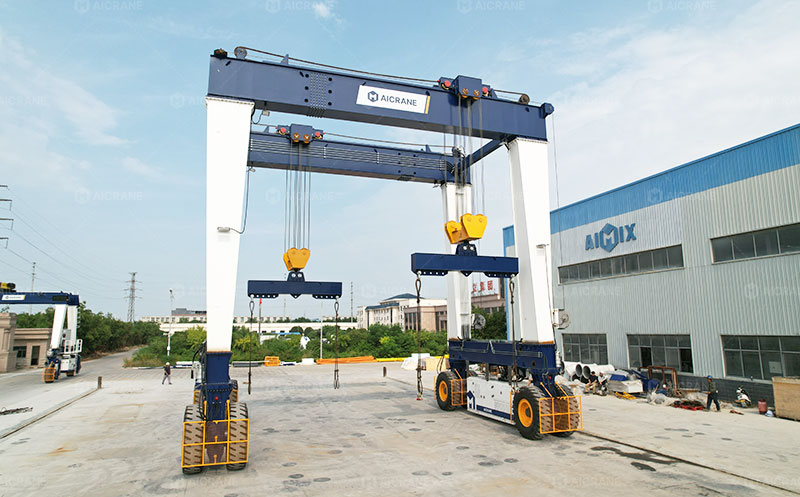
2. Which Factors Have the Greatest Impact on RTG Maintenance Costs?
Maintenance costs are not determined by lifting capacity alone. Two cranes with the same rated capacity may have significantly different maintenance requirements because of differences in operating conditions and configuration.
Lifting Capacity and Load Distribution
Higher-capacity cranes generally require larger structural components, hydraulic cylinders, tires, and lifting systems.
However, rated capacity is only one part of the cost calculation.
Actual load distribution is equally important. For example, a 50-ton hydraulic RTG handling evenly distributed loads may experience different component stresses from one frequently lifting loads with uneven weight distribution.
Repeated operation near maximum rated capacity can increase stress on hydraulic components, structural connections, and tires.
Buyers should therefore evaluate both rated lifting capacity and the actual load profile.
Duty Cycle and Operating Hours
Operating frequency has a direct influence on maintenance intervals and component life.
A light duty gantry crane used for occasional material handling may require fewer service hours than one operating multiple shifts every day.
Important operating parameters include:
-
Lifting cycles per hour.
-
Average load compared with rated capacity.
-
Daily operating hours.
-
Travel distance per shift.
-
Frequency of steering and repositioning.
-
Number of operating days per year.
A high-duty-cycle application requires more frequent inspection and preventive maintenance planning.
For example, a crane working eight hours per day under moderate loads may have a different maintenance profile from one operating continuously across multiple shifts.
Working Environment and Ground Conditions
Environmental conditions influence both maintenance frequency and component durability.
Outdoor environments: Rain, humidity, temperature fluctuations, and UV exposure can accelerate corrosion, damage hoses, and deteriorate protective coatings.
Steel plants and fabrication workshops: Metal dust, welding particles, and high temperatures can affect hydraulic seals, electrical components, and lubrication systems.
Ports and coastal facilities: Salt-laden air increases corrosion risks, particularly for exposed structural connections, electrical enclosures, and hydraulic fittings.
Uneven working surfaces: Poor pavement conditions can increase tire wear, wheel loads, vibration, and structural stress.
Ground conditions deserve particular attention because rubber tired gantry cranes depend on suitable ground bearing capacity and surface conditions for safe operation.
Crane Configuration and Hydraulic Complexity
Not all hydraulic rubber tired gantry cranes have the same system architecture.
Some designs use hydraulic systems mainly for lifting, while others incorporate additional hydraulic functions such as steering, wheel positioning, or adjustable-height legs.
A crane with more hydraulic functions may require additional hoses, valves, cylinders, seals, and control components.
This can increase the number of inspection points and potential maintenance requirements.
When comparing crane quotations, buyers should evaluate the hydraulic configuration and component accessibility, not just the rated capacity.
3. How Can Hydraulic System Design Affect Maintenance Expenses?
Hydraulic system design has a direct relationship with maintenance workload, component reliability, and repair costs.
A well-designed system should provide stable pressure, reliable lifting performance, effective filtration, and convenient access to service points.
Hydraulic Cylinder Quality and Serviceability
Hydraulic cylinders are critical components in cranes that use cylinder-based lifting or height adjustment.
Their maintenance requirements depend on operating pressure, stroke length, loading conditions, sealing arrangements, and manufacturing quality.
Buyers should evaluate:
-
Cylinder material and surface treatment.
-
Seal quality and replacement availability.
-
Piston rod protection.
-
Mounting and connection design.
-
Accessibility for inspection and repair.
A cylinder that is difficult to access may require more labor during maintenance, even if its replacement parts are relatively inexpensive.
Oil Filtration and Contamination Control
Hydraulic contamination is a common cause of premature component wear.
Dust, metal particles, water, and degraded oil can affect pumps, valves, and cylinder seals.
A suitable filtration arrangement helps reduce contamination and supports consistent hydraulic performance.
The maintenance plan should specify filter inspection and replacement intervals, oil sampling requirements where appropriate, and procedures for preventing contamination during servicing.
Hydraulic Hose and Seal Replacement
Hoses and seals are subject to pressure fluctuations, temperature changes, vibration, and mechanical movement.
Their service life depends on operating conditions and material specifications.
Routine inspections should identify:
-
Cracks and surface deterioration.
-
Bulging or abrasion.
-
Oil leakage around fittings.
-
Damaged protective sleeves.
-
Loose or improperly supported connections.
Replacing a deteriorated hose during scheduled maintenance is generally easier to manage than responding to a sudden hydraulic failure during production.
4. What Are the Typical Maintenance Tasks and Inspection Intervals?
A practical maintenance schedule should combine daily checks, periodic servicing, and condition-based inspections.
Exact intervals must follow the manufacturer’s maintenance manual, component supplier recommendations, applicable safety regulations, and actual operating conditions.
Daily or Pre-Shift Inspections
Operators should check the crane before operation.
Typical tasks include:
-
Inspecting hydraulic hoses and cylinders for visible leakage.
-
Checking tire condition.
-
Looking for loose bolts or visible structural damage.
-
Testing brakes and steering.
-
Checking lifting and control functions.
-
Verifying safety devices and emergency stops.
-
Checking hydraulic oil level where required.
These checks help identify developing problems before they affect lifting operations.
Weekly or Routine Inspections
Depending on usage, routine inspections may include:
-
Checking hydraulic connections and fittings.
-
Inspecting tire wear and wheel condition.
-
Examining electrical connections and cables.
-
Checking lubrication points.
-
Inspecting lifting attachments and mechanical connections.
-
Reviewing unusual noise, vibration, or operating temperature.
The frequency should increase when the crane works under heavy loads or in harsh environments.
Monthly or Periodic Maintenance
More detailed inspections may cover:
-
Hydraulic filter condition.
-
Hydraulic pump and valve performance.
-
Cylinder and seal condition.
-
Structural connections and welds.
-
Brake and steering system condition.
-
Control system and sensor performance.
-
Wheel hubs and bearings.
These checks should be recorded so maintenance personnel can identify recurring problems.
Annual or Major Inspections
Annual maintenance planning may involve more comprehensive structural, hydraulic, electrical, and mechanical assessments.
Depending on local regulations and the manufacturer’s requirements, major inspections may include non-destructive testing of selected structural areas, detailed lifting mechanism examinations, and functional safety testing.
An annual inspection should not replace regular preventive maintenance. It is an additional layer of equipment condition assessment.
5. How Can Buyers Estimate the Total Cost of Ownership?
The total cost of ownership (TCO) provides a more useful purchasing comparison than the initial gantry crane price alone.
For a hydraulic rubber tired gantry crane, the TCO should include the purchase price, installation and commissioning, scheduled maintenance, replacement parts, labor, energy consumption, and downtime.
A practical calculation is:
Total Cost of Ownership = Purchase Cost + Operating Costs + Maintenance Costs + Repair Costs + Downtime Costs
Each category should be evaluated over the intended service period.
Scheduled Maintenance Costs
These include predictable expenses such as:
-
Hydraulic oil and filters.
-
Lubricants and grease.
-
Routine inspection labor.
-
Tire pressure checks and maintenance.
-
Scheduled component servicing.
These costs are generally easier to estimate because they can be linked to operating hours and manufacturer-recommended maintenance intervals.
Replacement Parts Costs
Replacement parts should be evaluated according to both price and expected service requirements.
Important components include:
-
Hydraulic hoses and seals.
-
Filters and pumps.
-
Hydraulic cylinders.
-
Tires and wheel assemblies.
-
Bearings.
-
Electrical sensors and switches.
-
Wire ropes and lifting accessories, where applicable.
Buyers should ask suppliers which parts are standard consumables and which components are specialized or have longer procurement lead times.
Downtime Costs
Downtime is often an overlooked part of crane maintenance expenses.
When an RTG becomes unavailable, material handling operations may be delayed. This can affect production schedules, loading and unloading operations, and the utilization of other equipment.
For example, a hydraulic failure during a critical production shift may create costs beyond the replacement of a damaged hose or valve.
A useful way to estimate downtime cost is:
Downtime Cost = Equipment Downtime Hours × Estimated Cost per Downtime Hour
The hourly cost should reflect the actual operational impact, including lost production or additional equipment requirements.
Maintenance Labor Costs
Labor expenses depend on the availability of qualified maintenance technicians, equipment accessibility, and the complexity of the hydraulic and control systems.
A crane designed with accessible service points and clearly documented maintenance procedures may require less time for routine servicing.
Buyers should also consider whether their existing maintenance team can handle hydraulic troubleshooting or whether specialist technical support will be necessary.
6. How Can Operators Reduce Hydraulic RTG Maintenance Costs?
Reducing maintenance costs does not mean extending service intervals unnecessarily or using lower-quality replacement parts.
The objective is to prevent avoidable failures, improve component life, and reduce unplanned downtime.
Follow a Preventive Maintenance Schedule
Preventive maintenance allows operators to identify problems before they develop into major failures.
A documented maintenance plan should include:
-
Inspection dates and operating hours.
-
Hydraulic oil and filter replacement records.
-
Tire inspection results.
-
Component repair history.
-
Abnormal operating conditions.
-
Replacement part records.
Tracking these details helps maintenance managers identify recurring failures and adjust service intervals based on actual equipment performance.
Avoid Overloading and Uneven Loading
Operating within the crane’s rated capacity is essential for maintaining equipment reliability.
Repeated overloading can increase stress on the hydraulic system, lifting mechanism, tires, and structural components.
Uneven load distribution can also create additional stress that may not be obvious from the total load weight alone.
Operators should follow the approved lifting configuration and load-handling procedures.
Maintain Suitable Ground Conditions
Poor ground conditions can increase tire damage and affect crane stability.
Before operation, the working area should be checked for:
-
Surface cracks and potholes.
-
Uneven pavement.
-
Standing water.
-
Loose materials and debris.
-
Areas with insufficient ground bearing capacity.
For outdoor projects, ground preparation should be considered during crane selection and site planning.
Train Operators and Maintenance Personnel
Operator behavior has a direct effect on equipment wear.
Sudden steering movements, harsh braking, excessive acceleration, and improper load handling can increase mechanical stress.
Operators should understand the crane’s operating limits, lifting procedures, steering functions, and warning systems.
Maintenance personnel should also receive training in hydraulic troubleshooting, contamination control, and safe servicing procedures.
Keep Critical Spare Parts Available
Long procurement times can increase downtime when essential components fail.
Depending on the crane configuration and operating intensity, buyers may consider keeping critical spare parts such as hydraulic filters, seals, hoses, sensors, and other frequently replaced components.
The recommended spare parts inventory should be based on the manufacturer’s parts list, local availability, and expected maintenance requirements.
7. What Should Buyers Ask Manufacturers About Maintenance Costs Before Purchasing?
Maintenance considerations should be included in the technical evaluation stage rather than addressed only after equipment delivery.
When requesting quotations for a hydraulic rubber tired gantry crane, buyers should ask manufacturers for specific information about maintenance requirements and long-term serviceability.
Important questions include:
1. What hydraulic components are used?
Request information about pumps, cylinders, valves, filters, hoses, and other major hydraulic components.
2. What are the recommended maintenance intervals?
Ask for the maintenance schedule based on operating hours, including oil, filter, and lubrication requirements.
3. What is the expected service life of major components?
Request manufacturer guidance for hydraulic seals, hoses, tires, bearings, and other wear components. Actual service life will depend on operating conditions.
4. Are spare parts readily available?
Check whether replacement parts are standard, locally available, or require special production and international shipping.
5. How accessible are the maintenance points?
Evaluate whether technicians can easily inspect and service the hydraulic system, wheels, electrical components, and lifting mechanism.
6. What technical support is provided?
Confirm whether the supplier provides maintenance manuals, operating instructions, spare parts support, troubleshooting assistance, and operator training.
7. Are maintenance costs included in the quotation?
Clarify whether the quotation covers commissioning, initial spare parts, training, and any after-sales service arrangements.
These questions help buyers compare equipment based on practical operating requirements instead of focusing exclusively on the purchase price.
8. Hydraulic Rubber Tired Gantry Crane vs. Rail-Mounted Gantry Crane: Maintenance Cost Differences
Hydraulic rubber tired gantry cranes and rail-mounted gantry cranes have different maintenance requirements because their mobility and supporting systems are different.
A hydraulic RTG uses tires for movement and hydraulic systems for lifting and potentially other functions. A rail-mounted gantry crane operates along fixed rails and generally relies on rail wheels, drive systems, and associated travel mechanisms.
Hydraulic rubber tired gantry crane maintenance typically focuses on:
-
Hydraulic oil, filters, hoses, and seals.
-
Tires and wheel assemblies.
-
Steering and braking systems.
-
Ground condition-related wear.
-
Hydraulic lifting or height-adjustment components, where fitted.
Rail-mounted gantry crane maintenance typically focuses on:
-
Rail wheels and wheel assemblies.
-
Rail alignment and condition.
-
Travel drive systems.
-
Electrical power supply arrangements.
-
Cable management and associated systems.
-
Structural and lifting mechanism inspections.
Neither type is universally cheaper to maintain.
A rubber tired design may offer greater flexibility when equipment needs to move across suitable working areas without fixed rails. However, tire replacement and hydraulic servicing must be included in its maintenance budget.
A rail-mounted design may reduce certain tire-related expenses but requires suitable rail infrastructure and maintenance of the rail travel system.
The better option depends on site layout, operating frequency, movement requirements, ground conditions, and expected service life.
9. How Does Crane Design Influence Long-Term Maintenance Value?
Maintenance costs should be considered during the engineering and purchasing process because design decisions affect how easily equipment can be inspected, repaired, and serviced.
Several design considerations are particularly important.
Component accessibility: Hydraulic pumps, valves, filters, and service connections should be positioned to support safe and efficient inspection.
Standardized components: Common hydraulic and electrical components can simplify spare parts procurement and reduce the risk of extended downtime.
Suitable component sizing: Hydraulic cylinders, pumps, tires, and structural members should be selected according to the actual rated capacity, load distribution, and duty cycle.
Protective measures: Suitable coatings, sealed electrical enclosures, hose protection, and corrosion-resistant materials can help reduce environmental damage.
Clear maintenance documentation: Detailed manuals, hydraulic diagrams, electrical drawings, and spare parts lists help maintenance teams diagnose problems and carry out repairs accurately.
These factors may not always be obvious in a quotation comparison, but they can have a meaningful effect on long-term maintenance expenses.
10. Final Considerations When Budgeting for Hydraulic RTG Maintenance
The maintenance cost of a hydraulic rubber tired gantry crane should be evaluated as part of its total operating cost. Hydraulic system servicing, tire replacement, structural inspections, lifting mechanism maintenance, electrical servicing, labor, and downtime all contribute to long-term expenses.
For industrial buyers, the most effective approach is to evaluate the crane against its intended operating conditions. A crane handling heavy loads across multiple shifts in an outdoor facility will have different maintenance requirements from one used for occasional lifting in a controlled workshop.
Before purchasing, buyers should confirm the hydraulic configuration, component specifications, maintenance intervals, spare parts availability, and technical support arrangements.
A well-matched crane with accessible components, appropriate hydraulic system design, and a practical preventive maintenance plan can help reduce unexpected repairs and improve equipment availability throughout its service life.
Frequently Asked Questions
1. What is the most expensive part to maintain on a hydraulic rubber tired gantry crane?
There is no single component that is always the most expensive. Hydraulic pumps, cylinders, tires, and major lifting components can all generate significant expenses depending on crane design, operating hours, load conditions, and replacement requirements. Major component failures and associated downtime can be particularly costly.
2. How often should hydraulic oil be changed in an RTG crane?
Hydraulic oil replacement intervals depend on the manufacturer’s recommendations, oil specifications, operating temperature, contamination levels, and working conditions. Oil condition monitoring and scheduled filter replacement can help determine when servicing is required. A universal replacement interval should not be assumed.
3. Do hydraulic rubber tired gantry cranes require frequent tire replacement?
Tire replacement frequency depends on tire type, crane load, travel distance, surface conditions, operating speed, and maintenance practices. Regular inspections help identify uneven wear, damage, and other problems before they affect safe operation.
4. Can hydraulic RTG maintenance costs be reduced through proper crane selection?
Yes. Selecting the correct lifting capacity, hydraulic configuration, tire arrangement, and duty rating can help avoid unnecessary component stress and maintenance requirements. Component accessibility and spare parts availability should also be considered during purchasing.
5. Is a hydraulic rubber tired gantry crane more expensive to maintain than a rail-mounted gantry crane?
Not necessarily. Hydraulic RTGs require tire and hydraulic system maintenance, while rail-mounted cranes require maintenance of rails, wheels, travel drives, and associated infrastructure. Actual costs depend on equipment configuration, operating environment, workload, and maintenance practices.
6. What spare parts should be stocked for a hydraulic rubber tired gantry crane?
Commonly considered spare parts include hydraulic filters, seals, hoses, electrical sensors, switches, and other frequently replaced components. The exact inventory should be determined from the crane’s configuration, manufacturer’s spare parts recommendations, and local supply lead times.